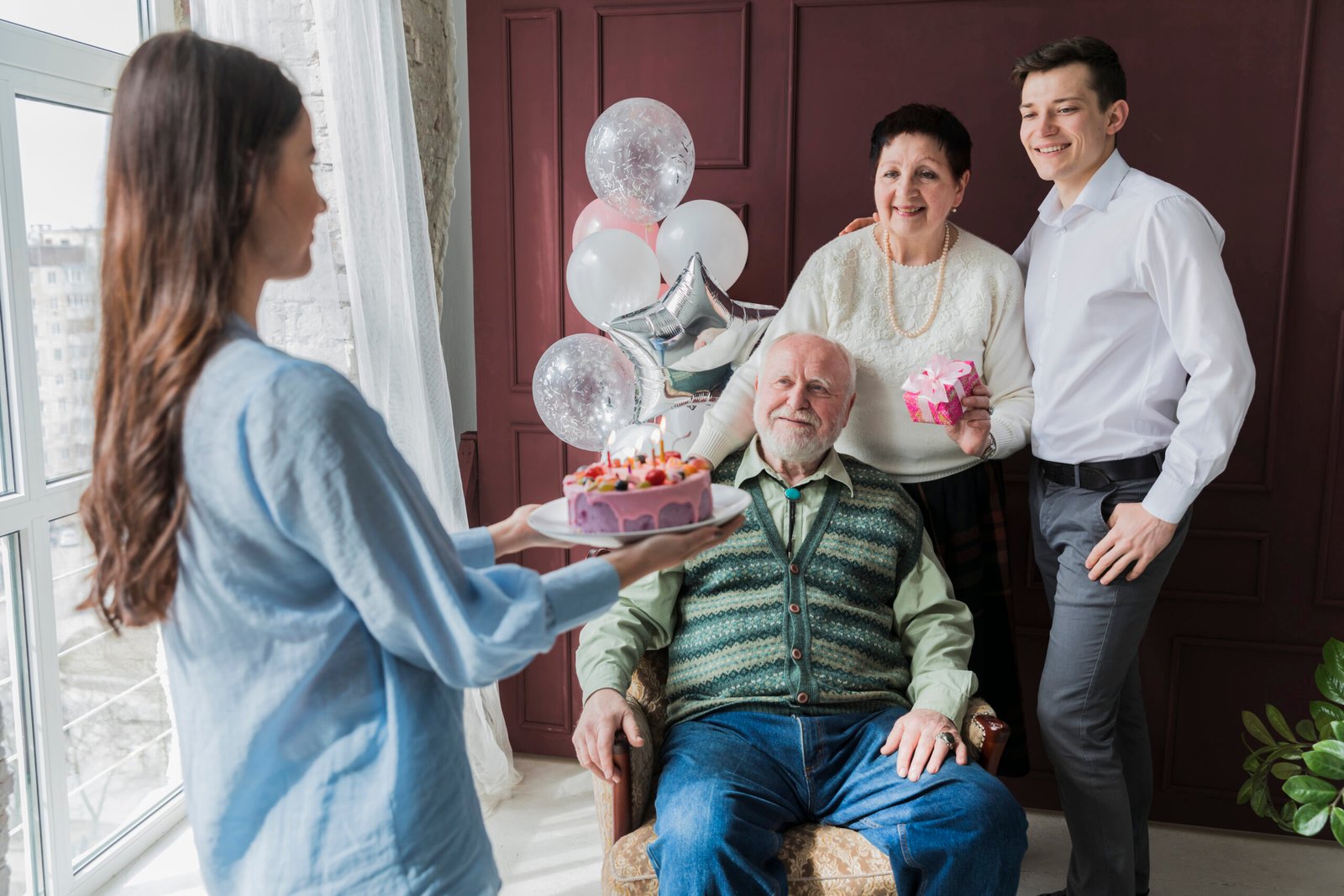

When families think about hospice, they often think first about medical care: pain management, nursing visits, and medications. What surprises many families is how much of what actually helps during this time is not clinical at all.
Gentle hospice care addresses the fear, the grief, and the weight of watching someone you love move through the end of their life, and that emotional and spiritual dimension is not a secondary service. It is a core part of what we provide, and for many families, it becomes the part they value most.
What Emotional Support in Hospice Actually Looks Like
Emotional support in hospice is provided by trained professionals as a planned and integrated part of every patient’s care, not as an afterthought. Key takeaway: Every patient receives built-in, professional emotional support.
Social workers meet with patients and families to help them process what is happening, navigate difficult decisions, and identify the support they need at home and within their own networks. Counselors work with family members individually and together since the emotional toll of caregiving is real and cumulative.
Having a professional who meets regularly with caregivers and family members, not just the patient, changes the experience of those final weeks and months in ways families often describe as unexpected and profound.
Bereavement support begins before a loved one dies and continues after. Under the Medicare Hospice Benefit, counseling is provided for at least 13 months following a loss. Support does not end when care ends.
Spiritual Support for Every Belief System
Spiritual care in hospice is not tied to any one faith. Chaplains and spiritual counselors are trained to meet patients and families wherever they are spiritually. This might mean prayer or religious ritual, a philosophical conversation, quiet presence, or something deeply personal.
Chaplains can work with a patient’s pastor, priest, rabbi, or imam if the patient has a faith community. For those without religious ties, spiritual support helps them find peace and meaning, and explore their fears about death. Sometimes, it simply means having someone present who is calm and supportive.
Spiritual support is part of every care plan, not something families must request.
Support for the Family, Not Just the Patient
One of the things families tell us most often is that they did not expect to be taken care of themselves.
Hospice care under this model is designed for the whole family. Social workers help with advance care planning, insurance questions, and the practical decisions that accumulate when a loved one is seriously ill. Counselors help family members process anticipatory grief, which is the grief that begins before a loved one dies, and navigate the complicated emotions that come with watching someone they love move through the end of life.
For primary caregivers who carry the bulk of day-to-day responsibilities, respite care is available. Under the Medicare Hospice Benefit, patients can receive up to five days of inpatient respite care per benefit period so caregivers can rest without guilt or disruption to the patient’s care.
The team is available 24 hours a day, every day of the week. If something is wrong at two in the morning, a caregiver can call and reach a nurse, not a voicemail.
What Happens After a Loved One Dies
Bereavement counseling does not stop at the time of death. It is one of the most important parts of what hospice offers and one of the most often overlooked when families are evaluating providers. Key takeaway: Ongoing grief counseling matters and is essential post-loss.
After a loved one dies, grief can feel isolating and misunderstood. Bereavement counselors recognize this and provide professional support for at least 13 months, helping through the first difficult year of grief.
This support is covered under the Medicare Hospice Benefit at no additional cost to the family.
How Emotional and Spiritual Support Is Integrated Into the Care Plan
Every patient receives a personalized care plan that includes emotional and spiritual support from the start, not added later.
At the start of care, the team assesses the patient’s and family’s needs, preferences, and beliefs. That assessment shapes how often counselors and chaplains visit. It guides what those visits focus on. It also affects how the team coordinates its support with the clinical care provided.
As the patient’s condition changes, the care plan evolves accordingly. This is what a full interdisciplinary care team looks like in practice: not a list of separate services, but a coordinated group of people who communicate with one another and adjust as the situation requires.
Receiving Emotional and Spiritual Support Across Maricopa County
Care is provided in private homes, assisted living facilities, and skilled nursing facilities throughout Maricopa County, including Tempe, Phoenix, Scottsdale, Mesa, Chandler, Gilbert, Glendale, and Peoria. Counselors and chaplains make home and facility visits as part of the regular care schedule. The care team does not change when a patient’s setting changes. If your loved one moves from home to a facility, the team moves with them.
Starting Care with Our Team
If you are wondering whether your loved one is ready for hospice or whether the level of support your family is carrying is sustainable, a free evaluation is the place to start. A registered nurse from the CHAP-accredited team meets with your loved one and your family to review eligibility, explain what care looks like, and answer questions without pressure.
The evaluation is free and carries no obligation. In most cases, a same-day visit can be arranged. Call (602) 610-8864. Most families say they wish they had called sooner. Key takeaway: Starting the conversation is easy, free, and can help families sooner than expected.
Related topics: