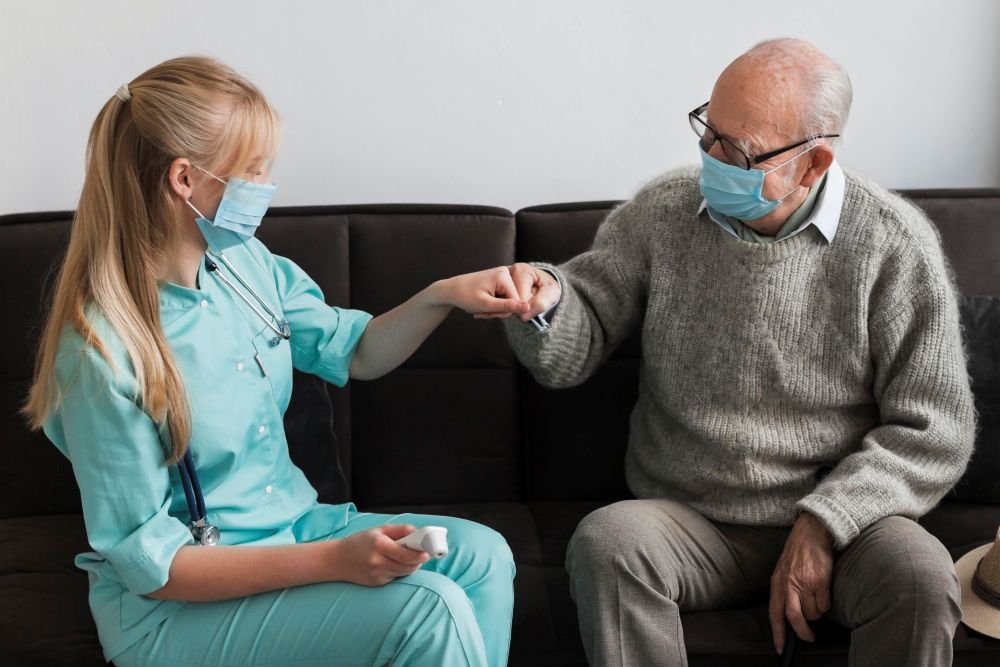

Families in Maricopa County often have questions about the differences between hospice and palliative care. Both options provide meaningful support for people facing serious health challenges, but they serve different purposes. Finding the right local hospice care or palliative care team can make a real difference in comfort and quality of life. This post breaks down what each type of care offers, who qualifies, and how to choose the best fit for your situation. Understanding these options helps you make confident decisions for yourself or someone you love.
Overview of Hospice Care
Hospice care offers specialized support for people facing terminal illnesses in Maricopa County, AZ. The focus is on making the most of each day by managing symptoms and keeping patients comfortable. Care teams address physical needs, as well as emotional, social, and spiritual support. Doctors, nurses, social workers, chaplains, and volunteers all work together to create a personalized plan based on what matters most to the patient. The goal is to help people live their remaining time with dignity, peace, and loved ones close by.
Services Provided in Hospice Care
Hospice care in Maricopa County covers a wide range of services to support patients and families during a difficult time. Medical teams focus on pain relief and symptom management to keep patients as comfortable as possible. Emotional and spiritual support is available to help everyone cope. Skilled nurses are on call around the clock to handle concerns and provide hands-on care. Counseling services help individuals and families process their feelings and prepare for what’s ahead. Volunteers also step in to offer companionship and practical help. The aim is to bring comfort and dignity to every person receiving care.
Role of Palliative Care
Palliative care plays a big role in supporting people with serious illnesses in Maricopa County. This type of care focuses on improving quality of life by addressing physical symptoms, emotional stress, and spiritual needs. Specialists team up with patients, families, and other healthcare providers to build a care plan that fits each person’s situation. Open communication and full support are at the center of everything palliative care teams do. The goal is to reduce suffering and help people feel better overall, even while they continue other treatments.
Key Differences Between Hospice and Palliative Care
Knowing the differences between hospice and palliative care helps families in Maricopa County make informed choices.
- Focus of Care: Hospice is typically for people with a terminal illness, centered on comfort during the final stages of life. Palliative care can start at any stage of a serious illness and works alongside treatments aimed at curing or managing the condition.
- Treatment Goals: Hospice care focuses on managing symptoms and providing emotional support for a peaceful end-of-life experience. Palliative care also relieves symptoms, but also provides support with medical decisions while patients continue other treatments.
- Location of Care: Hospice is often provided at home or in a specialized facility, keeping patients in a familiar, comfortable setting. Palliative care can happen in hospitals, outpatient clinics, or at home, depending on what works best for the patient.
Eligibility Criteria in Maricopa County
Both hospice and palliative care have specific requirements in Maricopa County. To qualify for hospice, a patient must have a terminal illness with a life expectancy of six months or less, confirmed by a physician. This includes conditions like cancer, heart failure, or advanced dementia. Palliative care has no life expectancy requirement; it’s available to anyone dealing with a serious illness at any stage. Patients can receive palliative care while still pursuing treatments meant to cure or slow their condition. Knowing these differences helps families choose the right path forward.
Choosing the Right Care Option
Picking the best care option in Maricopa County comes down to understanding your loved one’s needs and preferences. Here are three things to consider:
- Medical Needs: Consider the type of medical support needed, such as pain management or symptom control.
- Personal Preferences: Consider where your loved one would feel most comfortable receiving care at home, in a hospice facility, or in a hospital.
- Family Support: Assess how much help your family can realistically provide, and which care option best aligns with your availability and resources.
Taking time to weigh these factors leads to better decisions and greater peace of mind for everyone involved.
Related Topics: